
Updated on August 22, 2025
What Is Eyelid Surgery (Blepharoplasty)?


Vision Center is funded by our readers. We may earn commissions if you purchase something via one of our links.
Drooping eyelids can leave you looking tired and affect your self-esteem. But sometimes, sagging eyelids can affect your vision.
Fortunately, eyelid surgery (blepharoplasty) helps refresh your appearance and improve visual comfort. In this article, we’ll go over everything you need to know about the procedure.
What is Eyelid Surgery?
Blepharoplasty, or "eye lift surgery," is a cosmetic procedure that modifies the skin of your eyelids and the surrounding area. As you age, your eyelid skin stretches, resulting in sagging skin, drooping eyelids, and bags under your eyes.
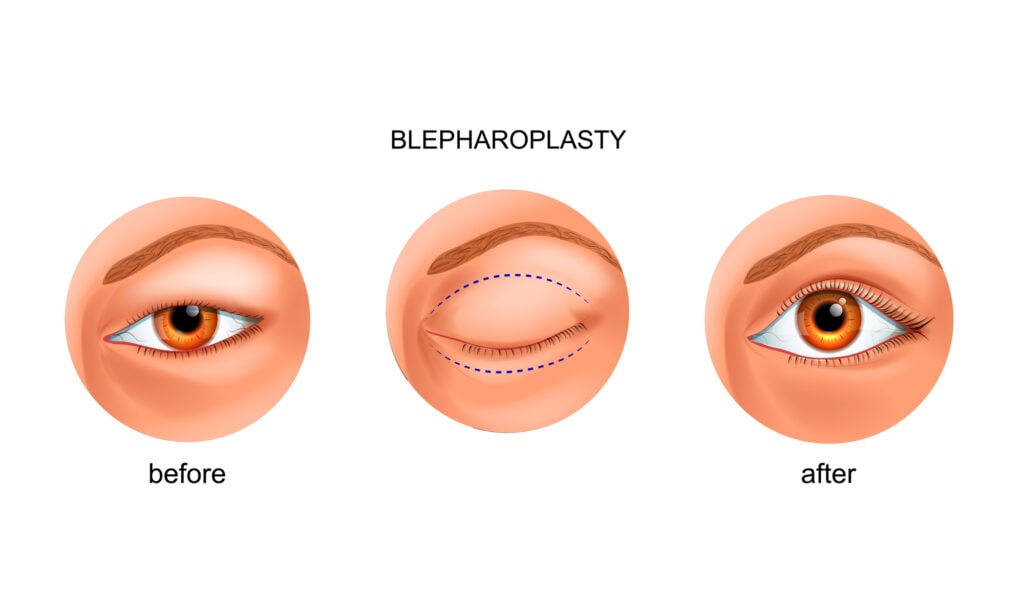
Surgeons can use blepharoplasty to improve your eye function and give you a youthful appearance. It can also:
- Tighten loose or sagging skin that creates natural creases in the eyelids, disturbs the natural contour of the eyelid, and can impair vision.
- Remove excess fat deposits that make the eyelids appear puffy
- Remove bags under the eyes and tighten drooping lower eyelids that expose the white of the eye below the iris
Doctors can perform surgery on the upper and lower eyelids together or separately.
What are the Different Types of Eyelid Surgery?
Eyelid surgery is tailored to your specific concerns, focusing on upper or lower lids or both.
Upper Blepharoplasty
Upper blepharoplasty primarily involves removing excess skin and tissue from your upper eyelids. It might also include tightening of the eyelid muscle (ptosis repair) to correct drooping.
This is a quick outpatient procedure, allowing you to go home the same day. It’s also typically done under local anesthesia.
Lower Blepharoplasty
Lower eyelid surgery targets bags under the eyes caused by fatty tissue deposits. Surgeons use different incisions and techniques, such as:
- Transconjunctival incision. Hidden inside your lower eyelid, ideal for younger skin with minimal sagging.
- Subciliary incision. Just beneath your lash line, suitable when tightening loose skin.
- Fat repositioning or removal. Smooths the area, creating a more youthful contour.
What to Expect From Eyelid Surgery?
Before surgery, you'll consult with your doctor. They'll evaluate your health, pre-existing medical conditions, and potential risk factors.
They'll also likely perform a physical examination, a vision test, and take pictures of your eyelids. This helps them determine your treatment plan, possible outcomes, and potential complications.
Your surgeon will also help you choose the best anesthesia option based on your comfort, procedure complexity, and overall health. General anesthesia may be considered if you're particularly anxious or undergoing multiple procedures.
During the Procedure
After the surgeon gives you anesthesia, they’ll begin making incisions. If you're having both eyelids operated on, the surgeon will likely start with the upper lid, followed by the lower.
The incisions are made to hide the scars within your natural eyelid structure. The surgeon will then remove or reposition fat deposits, tighten muscles, or remove excess skin.
Once the surgery is complete, the surgeon closes the incisions with sutures or skin glue. Overall, the surgery takes about 45 to 90 minutes.
After the Procedure
After a few hours, the anesthesia will wear off. You may experience puffiness, pain, blurred vision, dark circles, and swelling in the eye area.
After surgery, your surgeon may use a lubricating ointment, cold compresses, or a loose gauze covering to protect your eyes. They'll then give you specific instructions on how to help your wounds heal quickly and cleanly.
Some tips might include:
- Using cold compresses (like an ice pack)
- Keeping your head elevated while you sleep
- Eye drops to keep your eyes lubricated
- Using Tylenol to manage pain
- Avoid taking non-steroidal anti-inflammatory (NSAID) medications unless your surgeon instructs otherwise
- Refraining from physical activity for 3 weeks following surgery and avoiding sun exposure for 6 weeks afterward
- Avoid using ointments or makeup on your face for at least a week
How to Prolong Your Results?
The rejuvenating effects are long-lasting but variable: upper-lid results often last 5 to 10+ years (sometimes longer), and lower-lid surgery is rarely repeated. Longevity depends on aging, anatomy, and sun protection.
Here are a few things you can do to maintain optimal results:
- Protect your skin with daily sunscreen and UV-blocking eyewear.
- Avoid smoking, as it accelerates aging and affects skin elasticity.
- Consider non-surgical touch-ups such as Botox or fillers to maintain smoothness and contour around the eyes, effectively addressing fine wrinkles.
How Much Does Eyelid Surgery Cost?
In the U.S., the average surgeon’s fee reported by ASPS is about $3,359 for upper blepharoplasty and $3,876 for lower (excludes anesthesia, facility, and other costs).
The total price varies by case and setting, so it’s best to consult your surgeon for an itemized estimate.
Factors that affect the total cost of the procedure include:
- Location
- The surgeon’s fees and expertise
- Operating facility and tools
- Tests and examinations
- Prescription medications
- The type of procedure
- The severity of the case
While insurance doesn’t typically cover eyelid surgery, it may cover the procedure if it's medically necessary. For example, in cases where drooping eyelids are impairing peripheral vision.
However, there are other ways to reduce the cost of the procedure. Payment plans, Health Savings Accounts (HSAs), Flexible Spending Accounts (FSAs), or medical credit lines may help manage out-of-pocket expenses comfortably.
What Are the Risks of Eyelid Surgery?
Eyelid surgery is usually quick and can typically be done in a day. However, there are risks involved with all surgeries.
Risks include, but are not limited to, the following:
- Reactions to any anesthesia and/or injuries due to sedation
- Swelling and bruising around the eyes
- Difficulty closing the eyes
- Bleeding from the incision lines
- Dry eyes
- Eye infections
- Light sensitivity
- Ectropion or entropion
- Pain in and around the eyes
- Changes to the skin around the eyes and lash line, including numbness or tingling sensations
- Temporary or permanent vision changes, including double vision or blindness
- Scarring
- Lid lag
- The need for eyelid revision surgery
Is Eyelid Surgery Worth it?
Eyelid surgery is often worth the cost for people who need it to address vision problems related to sagging eyelids.
According to the American Society of Plastic Surgeons (2024), blepharoplasty remains among the top five most popular cosmetic procedures. Separate studies report high patient satisfaction after blepharoplasty.
It might not be worth the cost if you can’t afford it and if it’s only for cosmetic reasons. However, most patients find the procedure worthwhile.
6 sources cited
Updated on August 22, 2025
Updated on August 22, 2025
About Our Contributors

AnnaMarie, a staff writer for Vision Center, specializes in ophthalmology, optometry, and basic optic procedures, as well as preventative eye care. With a B.A. in Journalism & New Media and minors in Creative Writing and Women, Gender & Sexuality Studies from Gettysburg College, her goal is to enhance readers' understanding of eye health. She covers a wide range of topics, from selecting the right eyeglasses and contacts to managing and preventing eye diseases, and exploring vision correction surgeries.

Dr. Melody Huang is an optometrist and freelance health writer with a passion for educating people about eye health. With her unique blend of clinical expertise and writing skills, Dr. Huang seeks to guide individuals towards healthier and happier lives. Her interests extend to Eastern medicine and integrative healthcare approaches. Outside of work, she enjoys exploring new skincare products, experimenting with food recipes, and spending time with her adopted cats.