


What Are Trivex Eyeglass Lenses?
In 2001, PPG Industries used the plastic technology called Trivex for eyeglasses lenses. This material has three main benefits:
- Exceptional visual clarity
- High-performance strength
- Ultra-lightweight comfort
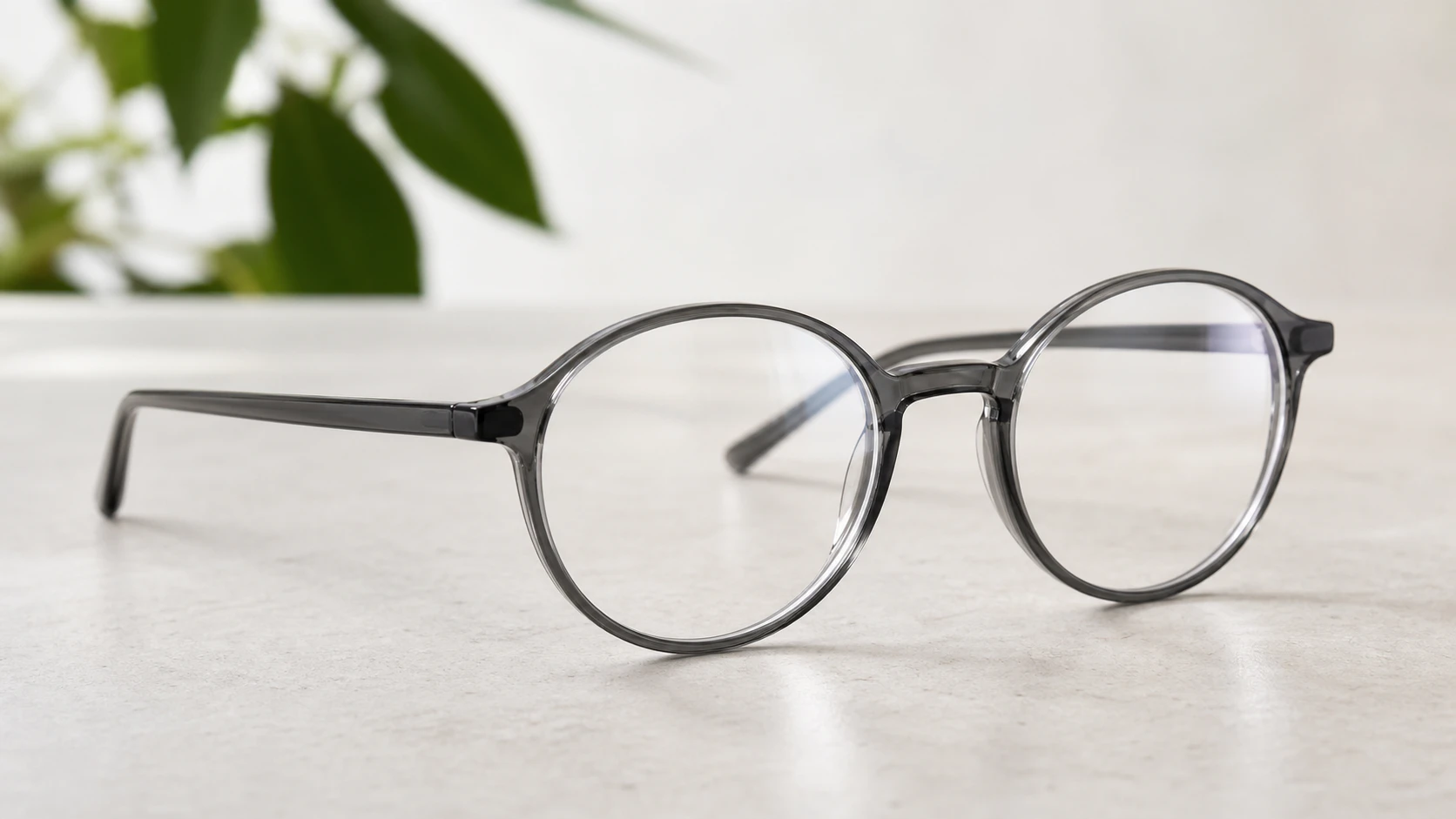
While there are other lens materials—like polycarbonate, high-index, and glass—Trivex has proven to be an excellent choice for optical lenses.
Using Trivex as glasses material has grown in popularity in the U.S. It meets the same safety standards as polycarbonate without distorting vision as much.
Where to Buy Glasses + Contacts
Best Overall: Warby Parker
Fastest Delivery: EyeBuyDirect
Also Great: The Framery
Best Place to Buy Contacts: Discount Contacts
Advantages of Trivex Lenses
Due to their composition and design, Trivex lenses has various advantages:
- High-impact resistance. They're tough, so bumps and drops won't ruin your day or vision.
- Feels like air. Trivex is one of the lightest lens materials, making it especially beneficial for older folks with sensitive skin.
- Has flatter lens curves. Trivex lenses can be thin, giving you a sleeker look.
- Gives optical clarity. Trivex has a high Abbe value, meaning you can enjoy crystal-clear vision even with strong prescriptions.
- Lets you see more. Special designs reduce distortion and increase the peripheral view so you can see the world as it's meant to be.
- Provides 100% UV protection. Trivex blocks 100% of harmful UV-A and UV-B rays.
- Retains its shape. Trivex material is durable and strong, so even with a rimless frame, you won’t have to worry about your lenses warping or breaking from internal cracks.
- Tough chemical resistance. It’s resistant to many chemicals, including acetone. That means it can undergo many surface treatments.
Note that Trivex can accommodate different upgrades too. You can ask for an anti-scratch coating, anti-reflective coatings, cool tints, and photochromic lenses that change with the light.
Disadvantages of Trivex Lenses
While Trivex lenses are great, they're not without a few drawbacks. Here's what you should know:
- Less available on the market. Trivex lenses might be harder to find compared to polycarbonate lenses, which tend to be more readily available.
- Not the thinnest lenses. If you need strong prescriptions, Trivex might not get you ultra-thin lenses. High-index lenses win that particular category.
- Can be expensive. Trivex lenses, with all their benefits, can be a bigger investment than other options. Between coatings and type of eyewear, it can get costly.
It's all about weighing the pros and cons to decide if Trivex is the right fit for your eyes and your budget.
Trivex Lens Material vs. Polycarbonate Lenses
Trivex and polycarbonate are popular for kids' glasses, safety gear, and sports eyewear. They're durable and block harmful UV rays. Plus, they’re lightweight, making them suitable for rimless frames or drill-mount eyewear.
But when it comes down to it, Trivex pulls ahead of polycarbonate in a few key areas: higher Abbe value, chemical resistance, and lighter and less dense.
Higher Abbe Value
Prescription glasses made from Trivex have a higher Abbe value of 43 to 45 than polycarbonate’s Abbe value of 30.
Think of the Abbe value as a clarity score. The higher the score, the sharper and less blurry your vision will be. There will also be fewer rainbow halos around lights, which can happen with polycarbonate.
Chemical Resistance
Polycarbonate lenses might degrade from harsh chemicals. However, Trivex can handle everyday mishaps, including spilled nail polish remover and cleaning solutions.
It can also handle accidental exposure to bleach, salt water, and suntan lotion. This means your lenses stay clear without becoming brittle or stained.
Lighter and Less Dense
Trivex has a lower specific gravity (1.11) than polycarbonate (1.66). This means Trivex is one of the lightest lens materials out there. This can especially benefit older people, who might find discomfort from heavy glasses leaving marks on their noses.
Trivex Lenses Vs. Other Lenses
| Trivex | Polycarbonate | High-Index Plastic | Glass | |
|---|---|---|---|---|
| Weight | Lightest material | Light, but not lighter than Trivex | Heavier than polycarbonate | Heaviest |
| Optimal Clarity(Abbe Value) | 43-45 | 30 | Moderate to High | Highest |
| Impact Resistance | High | Very high | Good | Poor |
| Scratch Resistance | Natural resistance; can be enhanced with coating | Natural resistance; can be enhanced with coating | Less resistant, often requires coating | High |
How Much Do Trivex Lenses Cost?
While Trivex lenses have been around for over a decade, their benefits still come at a premium. Expect to pay anywhere from $100 to $400 for a pair.
Here's what can drive the price up or down:
- Single-vision or progressive lenses. Single-vision lenses are on the lower end of the price range. Progressive lenses will add more to the bill.
- Additional coatings. Scratch-resistant or anti-glare coatings will cost you.
- Different mounting frames. Rimless frames tend to be pricier than rimmed ones.
If you want an assessment for your specific situation, we recommend talking with your eye doctor for a personalized estimate.
Trivex Care and Maintenance
Here’s how to ensure that your Trivex lenses stay clear, comfortable, and long-lasting:
- Use the right solution. Grab a lens-cleaning solution designed for your glasses. Regular cleaners can be too harsh.
- Handle with care. Always use both hands when putting on or taking off your glasses.
- Store safely. Keep your glasses in a hard case. This protects them from getting accidentally crushed or scratched.
- Visit a professional regularly. Your glasses need regular visits to an eye care professional for adjustments and tune-ups.
Trivex lenses are an excellent choice if safety is an issue or you lead an active lifestyle. However, we strongly recommend consulting your eye doctor first. Talk to them to see if Trivex will suit your needs.