

Can You Catch COVID-19 Through Your Eyes?
COVID-19 can spread through the eyes, just as it does through the nose and mouth. However, research conducted during the pandemic found that the risk of ocular transmission is low.

Virus particles from an infected person can spray from their nose or mouth and land on another person's face. Depending on proximity, you can breathe in these small droplets, or they can enter your body through your eyes.
You can also contract the virus by touching a contaminated surface and then touching your nose, mouth, or eyes. This transmission route accounts for only a small number of cases and is preventable through regular handwashing.
What Research Found About COVID-19 Eye Transmission
Multiple studies investigated the ocular interactions of SARS-CoV-2 during the pandemic. Overall, the evidence points to a low possibility of COVID-19 transmission through the eyes.
One early study from 2020 found that only a small percentage of patients (0 to 7.14 percent) had SARS-CoV-2 isolated in their tear films. In another study, researchers discovered that samples taken from the back of the throat and nose of COVID-19 patients contained high viral loads, while tear samples taken during the same period were clear of the virus.
A later systematic review noted that ocular symptoms, such as conjunctivitis, may signal a SARS-CoV-2 infection. However, the study found no definitive proof that the eyes serve as a significant additional transmission route for the virus.
How Can COVID-19 Spread Through the Eyes?
Researchers identified two main hypotheses for how SARS-CoV-2 could enter the body through the eyes.
Direct Inoculation Through the Conjunctiva
Tiny droplets and body fluids can land on the surface of the conjunctiva, the clear membrane covering the white of the eye. The virus can then cause respiratory infections when it enters through this route.
Our eyes have mucosal membranes that protect the body from the external environment. However, SARS-CoV-2 can use these mucosal lining membranes as an entry point into the body.
Viral Migration Through the Nasolacrimal System
Another hypothesis involves the nasolacrimal system, which drains tears into the lacrimal sac and the nasal cavity. This system may allow the virus to travel from the eyes to the gastrointestinal and respiratory tracts, facilitating infection.
COVID-19 Symptoms
There are different types of coronaviruses. Some produce minor cold symptoms, while others can cause severe respiratory illness.
COVID-19 is caused by SARS-CoV-2, which began spreading worldwide in late 2019. The virus can produce mild to severe respiratory symptoms, and some people experience no symptoms at all.
When symptoms do appear, they typically show up anywhere between 2 to 14 days after exposure. The most common symptoms include:
- Fever
- Cough
- Shortness of breath
- Pneumonia and breathing difficulties in severe cases, which can result in serious illness or death
COVID-19 and Conjunctivitis (Pink Eye)
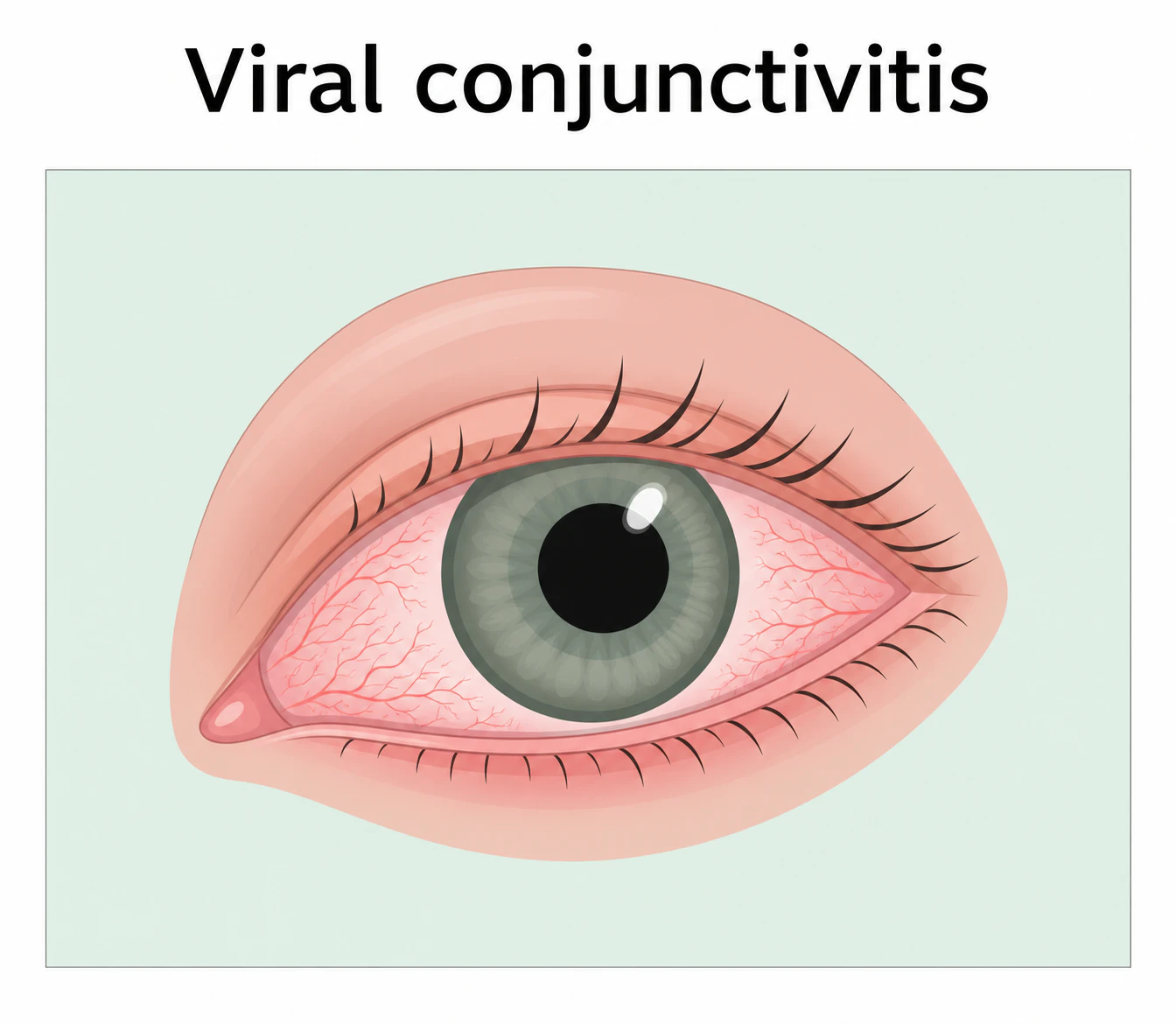
Conjunctivitis is the medical term for pink eye. It refers to inflammation of the conjunctiva, the thin layer of tissue covering the whites of your eye and lining your eyelids.
Listen In Q&A Format
Can COVID-19 Spread Through Your Eyes?
Vision Center Podcast
COVID-19 can cause pink eye, but this is rare. If you develop pink eye without any other COVID-19 symptoms, it is most likely related to a different viral or bacterial infection.
Eye symptoms such as redness, foreign body sensation, and tearing are uncommon in people with COVID-19. When they do occur, conjunctival symptoms more commonly affect severely ill patients. COVID-19 can also worsen pre-existing eye diseases.
Keep in mind that pink eye is very contagious regardless of the cause. It can spread through the sticky or runny discharge from your eyes. If you have conjunctivitis, stay home from work or school until the discharge clears.
How to Protect Your Eyes from Respiratory Viruses
Good hygiene habits can help reduce the risk of COVID-19 and other respiratory viruses entering through the eyes. These practices are worth maintaining year-round:
- Avoid touching your eyes. Refrain from rubbing your eyes with unwashed hands. Also avoid touching your face, nose, or mouth.
- Consider eyeglasses over contacts during illness. Contact lens wearers touch their eyes more than the average person. Glasses may also offer a partial barrier against respiratory droplets.
- Follow good contact lens hygiene. Wash your hands for at least 20 seconds with soap and warm water before applying or removing your contact lenses.
- Wash your hands regularly. Frequent handwashing with soap and warm water throughout the day remains one of the most effective ways to prevent infection.
Summary
COVID-19 can spread through respiratory droplets that enter through the eyes, though research has found this to be a low-risk transmission route. Conjunctivitis can occur as a rare symptom of COVID-19 infection, but pink eye on its own is not a reliable indicator of SARS-CoV-2. Practicing good hygiene, including regular handwashing and avoiding touching your eyes, helps reduce the risk of infection from COVID-19 and other respiratory viruses.