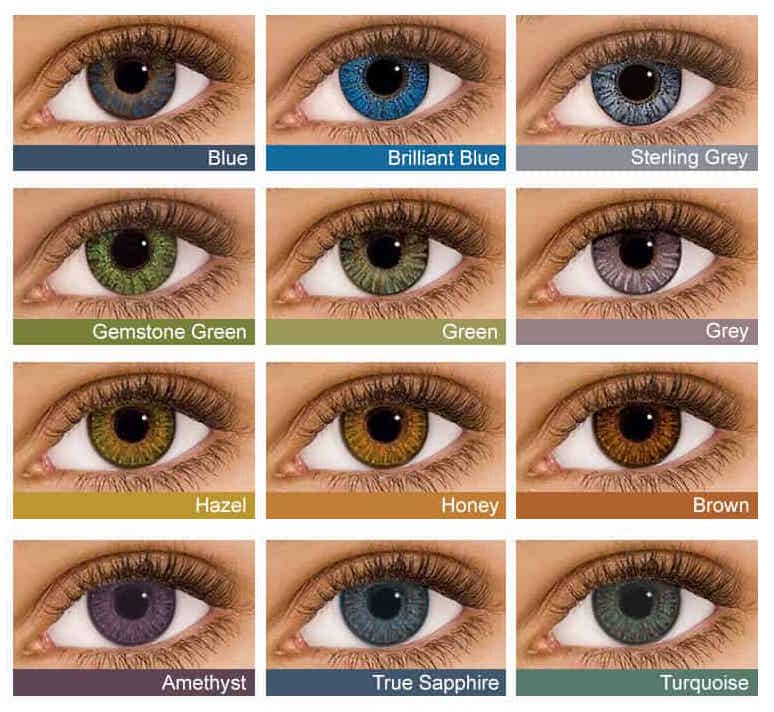

Colored contacts can be a fun way to change your look for a costume, photos, or everyday style. But even when they don’t correct vision, they still sit directly on your eye, which means safety matters.
This guide explains what decorative colored contacts are, why prescriptions are required in the U.S., and how to make choices that protect your eye health.
What are Decorative Colored Contacts?
Decorative colored contacts are contact lenses designed to change eye color or appearance, not improve vision. Because they touch the surface of your eye, they’re regulated as medical devices and need to be treated with the same care as any other contact lens.
Many problems arise when these lenses are marketed as harmless accessories, but they can still irritate your eyes or increase the risk of infection if they aren’t fitted or used correctly.
Treating them as medical devices helps reduce those risks. So, it’s best to follow the same safety rules for colored contacts that you would for clear prescription lenses.
Common Terms Related to Colored Contacts
You’ll see a lot of different names when shopping for colored contacts, and they’re often confusing. Understanding these basics helps you spot safer options and avoid risky ones.
- Decorative or cosmetic contacts. Lenses worn for appearance rather than vision correction.
- Plano lenses. Contacts with no vision correction power, which still require a prescription.
- Circle lenses or limbal ring lenses. Styles that make the iris look larger or more defined.
Use these terms to understand listings, but remember that none of them mean “safe without a prescription.”
Do You Need a Prescription for Colored Contacts?
In the United States, you need a valid contact lens prescription to buy colored contacts, even if they don’t correct your vision. Federal rules classify all contact lenses as medical devices, so selling them without a prescription is illegal.
U.S. law is clear about this requirement, and it applies nationwide. These rules ensure lenses fit properly and meet safety standards, helping reduce avoidable eye injuries.
A legitimate seller will always verify your prescription before shipping lenses, whether you buy online or in person. Offers that promise “no prescription needed” are a major warning sign, not a convenience.
What Should Your Prescription Include?
A contact lens prescription is different from a glasses prescription because it includes details about how the lens fits your eye. These details help protect the cornea and keep the lens comfortable and stable while you wear it.
Your prescription typically lists the following details:
- Lens type
- Brand or material
- Measurements that match your eye shape (such as base curve and diameter, even if the power is plano)
- Expiration date
Those specifics matter because a poor match can irritate the eye surface. Keep a copy of your prescription so you can shop safely and confidently.
Why a Proper Contact Lens Fit Matters
A proper fit helps the lens sit smoothly on your eye, keeping it stable, allowing oxygen to reach the cornea, and reducing friction that can damage the eye's surface over time.
One key measurement in that fit is the base curve, which describes how much the lens curves to match your eye’s natural shape. If the base curve doesn’t match well, the lens can move too much or press unevenly on the eye, leading to discomfort, redness, and a higher risk of infection over time.
It’s tempting to skip an exam when lenses seem inexpensive or easy to order, but fit issues often don’t show up right away, which is why problems can sneak up later. If you want colored contacts, schedule a contact lens fitting before you buy them.
What Happens at a Contact Lens Fitting?
A contact lens fitting checks your eye health and matches you with a lens that fits safely, even if you don’t need vision correction. The visit focuses on comfort and safety, not just color choice.
During the exam, your eye doctor will:
- Look closely at the surface of your eye
- Measure your eye’s curvature
- Confirm that contact lenses are a safe option for you
Even if your vision is normal, you still need a contact lens prescription because fit details help protect your eye.
If you have astigmatism, dry eye, or other concerns, your doctor may suggest specific lens types or wearing schedules that better support your eye health. You’ll also learn how to handle and care for lenses before you wear them at home.
Ask for a copy of your contact lens prescription at the end of the visit so you can shop from verified sellers.
How to Buy Lenses Safely
Buying colored contacts safely means choosing sellers that adhere to prescription guidelines and basic safety standards. Legitimate sellers typically require verification of your prescription to protect you from poorly made or ill-fitting lenses.
Before you buy, it helps to know what a safe checkout process looks like so you don’t fall for risky offers.
- Prescription verification. The seller asks for your prescription details or contacts your eye doctor.
- Clear labeling. Packaging lists lens brand, size, and replacement schedule.
- Sealed packaging. Lenses arrive unopened and intact, not loose or repackaged.
- Customer support. You can reach the seller with questions about orders or prescriptions.
If the checkout doesn’t include prescription verification, close the tab and choose another retailer.
What are the Risks of Illegal Lenses?
It’s understandable to want a quick cosmetic upgrade, but lenses sold outside medical safeguards often skip quality and fit checks that protect your eyes. Illegal or unverified colored contacts are more likely to be poorly made, poorly fitted, or contaminated.
These issues increase the risk of:
- Eye pain or redness
- Irritation
- Discharge
- Scratches
- Infections that can threaten vision if left untreated
When Should You Get Help?
Contact lens-related infections can happen when germs get trapped between the lens and the eye. Poor fit, sleeping in lenses, or exposure to water all increase this risk.
If something feels wrong, remove the lenses and don’t put them back in until you’ve been checked. However, some symptoms mean you should get medical advice instead of waiting it out.
Watch for these warning signs, especially if they appear suddenly or worsen over hours:
- Eye pain or soreness. Discomfort that doesn’t improve after removing the lens.
- Redness or swelling. Visible irritation that keeps getting worse.
- Light sensitivity. Pain or discomfort when exposed to normal light.
- Blurry vision or discharge. Changes in vision or fluid coming from the eye.
Acting early often prevents more serious complications. If you have these symptoms, remove the lenses and call an eye doctor immediately (or go to urgent care if you can’t reach one).
How to Wear and Care for Contact Lenses
Safe contact lens use depends on consistent daily habits that keep lenses clean and comfortable. Most problems arise from skipped steps or shortcuts that allow germs to accumulate.
Focusing on a few core habits goes a long way toward protecting your eyes.
- Clean hands. Wash and dry your hands before touching lenses or your eyes.
- Fresh solution. Use new contact lens solution each time and never top it off.
- Proper solution care. Use the solution recommended for your lens type and replace your lens case regularly.
- Dry case. Rinse the case with solution and let it air-dry between uses.
- No water exposure. Keep lenses away from taps, pools, and showers.
If you’re new to contacts, ask your eye doctor to review your care routine before you start wearing them regularly.
Best Colored Contacts
Non-prescription colored contacts are illegal in the United States. These colored contact lenses are also called cosmetic, decorative, or costume lenses and are available through a prescription from an eye doctor.
Non-prescription colored contacts are soft contacts made from a silicone hydrogel material. People have used them for decades in movies and fashion shoots because they can change your eye color or even the shape of your pupil.